
POS Systems Comparison Guides, Resources and White Papers
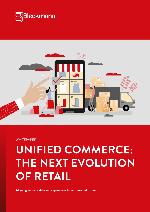
Unified Commerce: The Next Evolution of Retail
Many retailers have connected their channels, yet still run on fragmented systems, duplicated data and limited visibility. Bleckmann's whitepaper explains why omnichannel's integrated front end is no longer enough and how unified commerce consolidates sales, inventory, fulfilment and customer data into one real-time platform. It compares the two models across architecture, data, customer experience and cost, then outlines the four essential systems: centralised inventory, unified CRM, POS and consolidated order management. You will see the KPIs unified commerce influences, from revenue growth to brand loyalty, alongside a candid look at transition challenges such as legacy constraints, internal alignment and upfront costs. It then examines how AI, social and live commerce, circular models and returns optimisation depend on a unified foundation, with a particular focus on fashion retail.
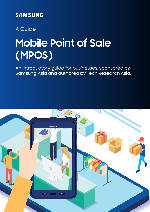
Mobile Point of Sale (MPOS): A Guide
New to mobile point of sale? This introductory guide, authored by Tech Research Asia and sponsored by Samsung, explains how MPOS works, the components a solution needs and how the market has moved beyond large, expensive PC-based terminals. It draws on a January 2020 survey of more than 1,300 businesses across eight Asia Pacific countries. The survey shows that more than two-thirds already use MPOS and that smartphones are the preferred form factor at 41%. You will also find the five core groups of MPOS providers, the top 10 device attributes buyers rank, an overview of PCI-DSS and EMV certification levels, and implementation use cases for hospitality, professional services and retail. The guide closes with a checklist of questions to put to any MPOS provider before you commit.

Guide to Point of Sale
Choosing a restaurant POS means understanding far more than the terminal on the counter. A&B POS Solutions' Guide to Point of Sale walks first-time buyers and owners switching systems through the essentials. It compares cash registers, credit card machines and all-in-one tablet systems, explains how merchant service providers, gateways and NFC payments work, and breaks down a card transaction step by step. You will see what hardware a restaurant needs, from terminals and handhelds to kitchen display systems, electronic scales and self-serve kiosks. The guide also covers PCI DSS compliance, fiscal memory devices and the EMV counterfeit fraud liability shift, then closes with practical advice on price, reusing existing hardware, software upgrade costs, negotiating processing rates and training your staff.
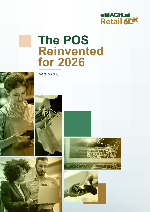
The POS Reinvented for 2026
Legacy POS systems were built to print invoices and record payments, not to run a modern retail operation. This Intellect Design Arena white paper explains why the point of sale is becoming the command center of retail in 2026 and what that shift requires. It outlines five structural limitations of legacy POS platforms, then details the capabilities of a next-generation POS powered by eMACH.ai Retail 6DX. These include unified B2C, B2B, voucher, service and order-booking sales, cash, tender and session governance, automated end-of-day reconciliation, and customer intelligence at the counter. You will also find channel-specific impact for in-store, omnichannel, tablet POS and self-checkout, value propositions for the CEO, CIO, CDO and retail heads, and an overview of the platform's modular, cloud-native, AI-ready architecture.

6 Benefits of an Innovative Restaurant Point of Sale System
Online and mobile ordering have overtaken the counter as the primary channel for many restaurants, and a legacy POS built for in-store transactions can no longer keep up. This HungerRush e-book explains six benefits of moving to an innovative, cloud-based restaurant POS. It shows how digital ordering grows take-out and delivery revenue, with digital orders averaging 15% higher than in-store orders. It also covers how connecting online, mobile and in-store channels improves speed and accuracy. You will see how sales, cost and customer data support menu, labor, inventory and loyalty decisions, and why third-party delivery integrations matter. The e-book compares a SaaS model with a legacy system on TCO and ROI, and explains what tablet POS adds for line busting and offline operation.