
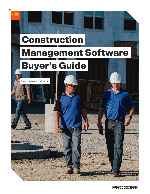
Construction Management Software Buyer's Guide for Home Builders
Too many software demos show flashy features that have little to do with how home builders actually work. Procore's buyer's guide helps you demo the solution, not the product, with cost-benefit questions, licensing and cloud comparisons, and vendor reference checks. Download it before your next evaluation.
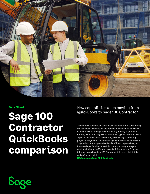
Sage 100 Contractor QuickBooks Comparison
Is QuickBooks keeping up with your jobs? This Sage data sheet lines up Sage 100 Contractor against QuickBooks Enterprise, Premier Contractor Edition and Online, feature by feature. It covers everything from change orders and retention to certified payroll and cost-to-complete reports. Use it to pinpoint the gaps before you decide to switch.

Alternatives to QuickBooks
Still running a growing business on QuickBooks? This Accounting Seed guide explains why companies outgrow basic bookkeeping and which capabilities matter most in a replacement, from automation and cloud access to integrations with your CRM and banks. Download it to sharpen your evaluation before you make the switch.

Unleashing Enterprise AI Value in Finance: The CFO's Guide
Finance leaders have been right to hold back on AI. This NetSuite guide shows how the Model Context Protocol lets AI work inside your ERP under the same permissions, audit trails and approvals you already trust. Get practical finance use cases, a 90-day pilot plan and step-by-step setup guidance for administrators.

How HR Leaders Are Adopting AI
Two-thirds of HR teams have reached intermediate or advanced AI adoption, yet only 36% feel very confident about complying with new AI regulations. Rippling's survey of more than 1,000 HR leaders shows where AI is saving time, where human judgement still leads and what stands in the way of broader adoption.
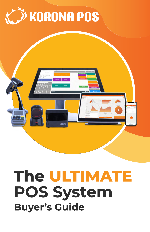
The Ultimate POS System Buyer's Guide
Credit card processing, hourly support charges and long contracts can quietly inflate what you pay for a POS system. This guide lays out the questions to ask, the fees to watch and estimated price ranges for hardware, software and services, so you can compare vendors with a clear budget in hand.
The AI Imperative in Business Communications
How much are organizations spending on AI per employee, and what are they getting back? Metrigy's research on more than 1,100 organizations breaks down measured benefits, the shift toward agentic AI, and how agent assist and conversation intelligence are changing customer engagement. Download the report to benchmark your own AI strategy.

The Hidden Costs of Standing Still: Why Delaying ERP Modernization Is Riskier Than You Think
Staying on QuickBooks or a legacy system can feel like the safe choice, but the costs add up in slow closes, unreliable forecasts and missed AI opportunities. This five-minute NetSuite guide shows what standing still really costs, backed by IDC research and a Brex case study.
Human Resources Software Pricing Guide: Manufacturing
What should a manufacturer expect to pay for HR software? This Software Advice guide breaks down per-user price ranges by tier, the features each level includes and the costs buyers often overlook. Compare pricing for nine top-recommended products and build a budget you can defend.
AI in Travel & Expense Management: 8 Top Questions for IT Leaders
Before your organization switches on AI for travel, expense and invoice workflows, IT needs answers on data handling, model training, identity and setup. This SAP Concur guide addresses eight of the most pressing questions, from encryption and opt-out controls to Joule prerequisites and sandbox testing, so you can move forward with confidence.