
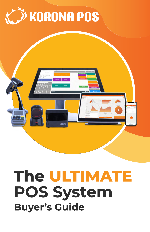
The Ultimate POS System Buyer's Guide
Credit card processing, hourly support charges and long contracts can quietly inflate what you pay for a POS system. This guide lays out the questions to ask, the fees to watch and estimated price ranges for hardware, software and services, so you can compare vendors with a clear budget in hand.
The AI Imperative in Business Communications
How much are organizations spending on AI per employee, and what are they getting back? Metrigy's research on more than 1,100 organizations breaks down measured benefits, the shift toward agentic AI, and how agent assist and conversation intelligence are changing customer engagement. Download the report to benchmark your own AI strategy.

The Hidden Costs of Standing Still: Why Delaying ERP Modernization Is Riskier Than You Think
Staying on QuickBooks or a legacy system can feel like the safe choice, but the costs add up in slow closes, unreliable forecasts and missed AI opportunities. This five-minute NetSuite guide shows what standing still really costs, backed by IDC research and a Brex case study.
Human Resources Software Pricing Guide: Manufacturing
What should a manufacturer expect to pay for HR software? This Software Advice guide breaks down per-user price ranges by tier, the features each level includes and the costs buyers often overlook. Compare pricing for nine top-recommended products and build a budget you can defend.

AI in Travel & Expense Management: 8 Top Questions for IT Leaders
Before your organization switches on AI for travel, expense and invoice workflows, IT needs answers on data handling, model training, identity and setup. This SAP Concur guide addresses eight of the most pressing questions, from encryption and opt-out controls to Joule prerequisites and sandbox testing, so you can move forward with confidence.
2026 Accounting Software: Pricing and Features Compared
The 2026 Accounting Software Pricing Guide provides businesses with a practical comparison of leading accounting platforms, including pricing tiers, common features, subscription models, and average costs. It also highlights often-overlooked expenses such as implementation, data migration, training, integrations, maintenance, and support to help businesses understand the total cost of ownership when evaluating accounting software.
10 Accounts Payable KPIs You Should Be Measuring
This ebook covers the 10 accounts payable KPIs that most affect AP performance, from cost and time to process an invoice to exception rates, straight-through processing, early payment discounts, on-time payments and days payable outstanding. Each one comes with industry benchmarks, best practices and real customer results, so you can see how your team compares to best-in-class organizations and where automation can close the gap.
Top 5 Small Business Supply Chain Management Software
This guide gives small businesses a fast way to compare highly rated supply chain management software using verified user feedback. It highlights the top five products by overall rating, explains how the rankings were calculated, and surfaces the tools that users say deliver strong ease of use, support, functionality, and value.
5 Things Your Spreadsheets Can't Do
Spreadsheets remain useful for ad hoc analysis, but they struggle when teams need to connect large data sets, explore richer visuals, forecast trends, and answer questions with current, interactive dashboards. This guide shows where spreadsheets hit their limits and how modern analytics tools help teams move faster and see more.
Workforce Management Buyer's Guide
Choosing the right workforce management solution requires more than just comparing time clocks and scheduling tools. This guide outlines the core components of a modern WFM platform, provides a practical framework for assessing your current state, and highlights the questions buyers should ask vendors around integration, security, scalability, compliance, and support.